ontopIT / academy

Code.Move.Build.Thrive.

ontopIT Academy is a fully free workforce-development program we are developing for underserved and underemployed young people aged 18–24, starting in Brooklyn, New York. It combines technology training with soccer, cycling and running, mentoring from working engineers, and preparation for real employment.

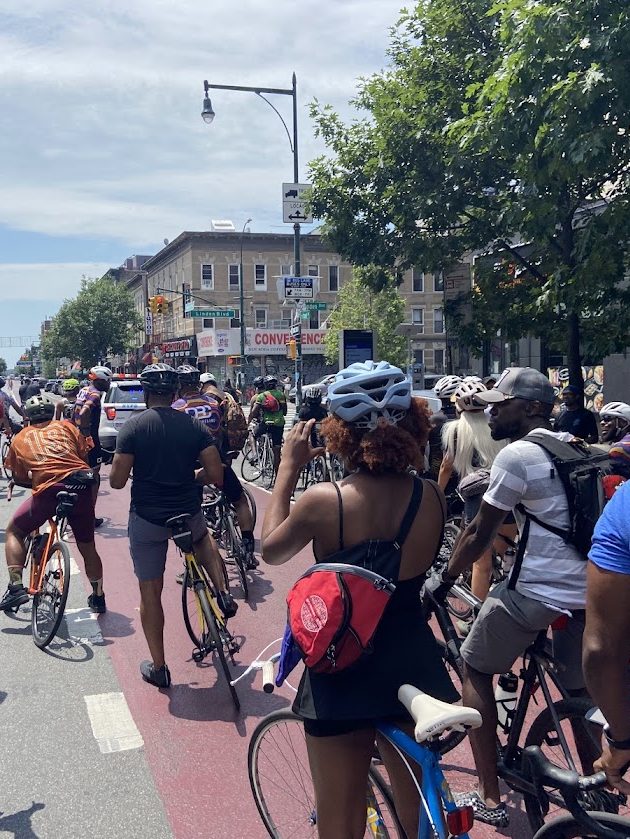
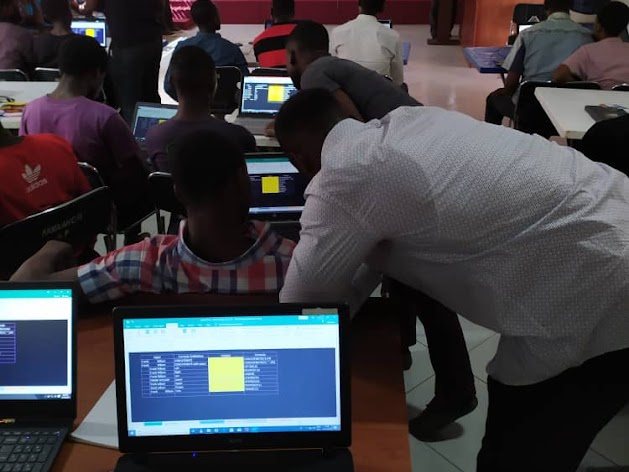
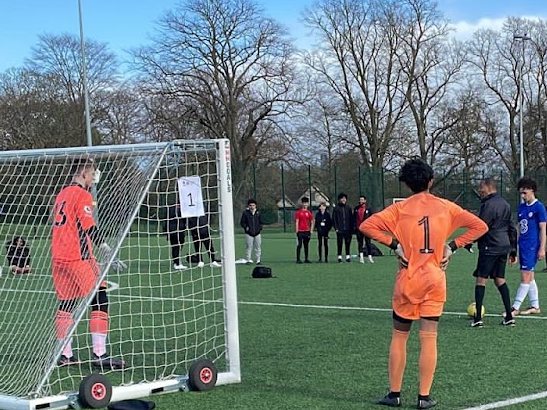
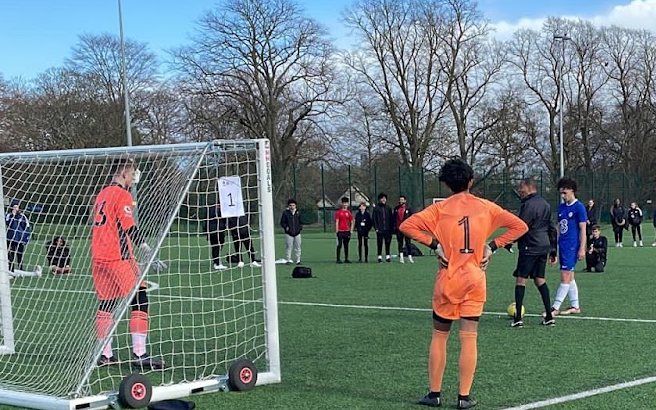
Cyclists in helmets riding together down a Brooklyn bike lane past shops and trees A mentor leaning over to help a learner at a laptop during a classroom coding workshop Young players in a penalty shootout at a youth football tournament, a goalkeeper in orange waiting by the goal

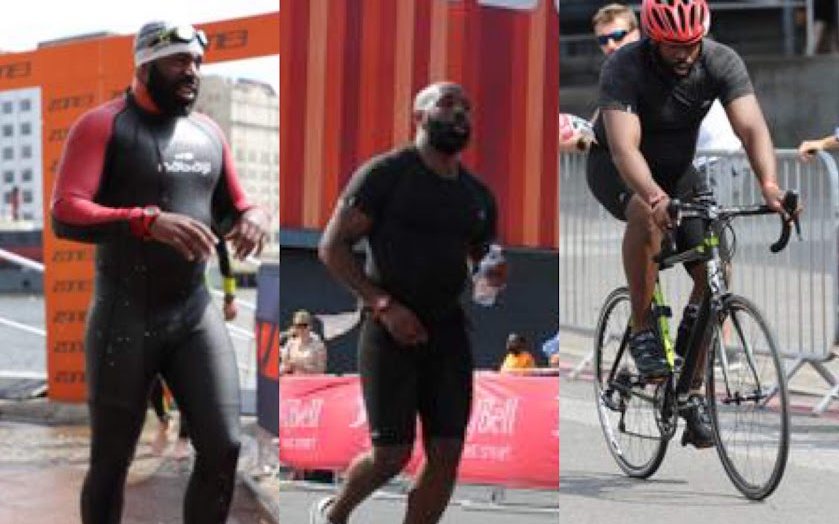
Photos: a community group ride in Brooklyn, a coding workshop, a youth football tournament and founder Kenny Akpan racing a London triathlon. Not Academy cohorts.

Overview

An inclusive digital talent pipeline, led by engineers.

The Academy is ontopIT's community investment. Our engineers would teach and mentor, sport would build the habits and peer community that keep people going, and employer partners would help turn new skills into real opportunities.

Cost to participantsFully free
WhoBrooklyn residents aged 18–24
Proposed format12-week cohort
SportSoccer · Cycling · Running
PilotBrooklyn, New York
Starting in Brooklyn

Rooted in our own neighbourhoods first.

The pilot will focus on Brooklyn. We will recruit young people and underprivileged applicants from four neighbourhoods first, build the model there with local partners, and then branch out across New York City.

Starting close to home means sessions within reach of participants, sport in public parks and playgrounds such as Prospect Park, and partnerships with the community organisations people already trust.

Pilot neighbourhoods

  • Bedford-Stuyvesant
  • Crown Heights
  • Cypress Hills
  • East New York

Then across Brooklyn, followed by the wider New York City area.

London is a future aspiration for exchange or expansion once the New York pilot is established. Schedule and staffing are subject to confirmation.

Three pillars, equal weight

Code, Move and Build carry equal weight.

Sport is a scheduled, core part of the program, not an optional extra. Each pillar supports the other two.

Code

Practical technical skills taught by working engineers through real projects.

  • Digital literacy and how the web works
  • JavaScript, React and Node.js fundamentals
  • Applied AI with tools such as Anthropic’s Claude, used responsibly
  • Project portfolios and collaborative problem-solving
Move

Soccer, cycling and running as core scheduled components of every week.

  • Physical wellbeing and energy for learning
  • Teamwork, discipline and resilience
  • Peer community and accountability
  • Inclusive participation with reasonable accommodations
Build

The professional foundation that turns skills into opportunity.

  • Mentorship and communication skills
  • Career preparation and portfolio reviews
  • Employer exposure and networking
  • Entrepreneurial and freelance skills
  • Pathways toward future employment and paid apprenticeships, now in development
Thrive.

The outcome we are working toward is confident young adults with real skills, healthy routines, a professional network and a credible next step.

Proposed curriculum

Two technical tracks.

Both tracks are built around projects reviewed by mentors. Module order and timing are proposed and may change as the program is finalised.

Frontend development

From how the web works to building and deploying a complete application. Each stage ends with a project for the participant's portfolio.

JavaScriptReactNode.jsGit
  • Write clear, modern JavaScript
  • Build interactive interfaces with React
  • Create simple APIs with Node.js
  • Work with Git, GitHub and code review as teams do
  • Use AI coding assistants such as Claude Code to plan, build and debug faster
  • Finish with a portfolio of reviewed projects
academy/frontend/curriculum.js
  1. 01
    Web foundations HTML · CSS · Git
    How browsers work, semantic markup, responsive layout, version control
    wk 1–2
  2. 02
    JavaScript fundamentals
    Variables, functions, arrays, objects, the DOM, events, async and fetch
    wk 3–5
  3. 03
    React
    Components, props, state, hooks, forms, talking to APIs
    wk 6–8
  4. 04
    Node.js basics
    Express, REST APIs, working with data
    wk 9–10
  5. 05
    Capstone & career readiness
    Team project, code reviews, portfolio, mock interviews
    wk 11–12
// proposed 12-week outline · subject to change
Move · sport meets code

Participants train together, then turn their sport into code.

Soccer, cycling and running build physical wellbeing, teamwork, discipline and resilience. Each sport also becomes a real student project, so the data participants generate on the field powers what they build on screen.

Sport is how we connect with young people in the first place. Founder Kenny Akpan has ridden for charity across Africa every year for the past five years, as well as in New York City, and designed the Academy on the belief that sport drives engagement and helps participants stay the course. Read his story

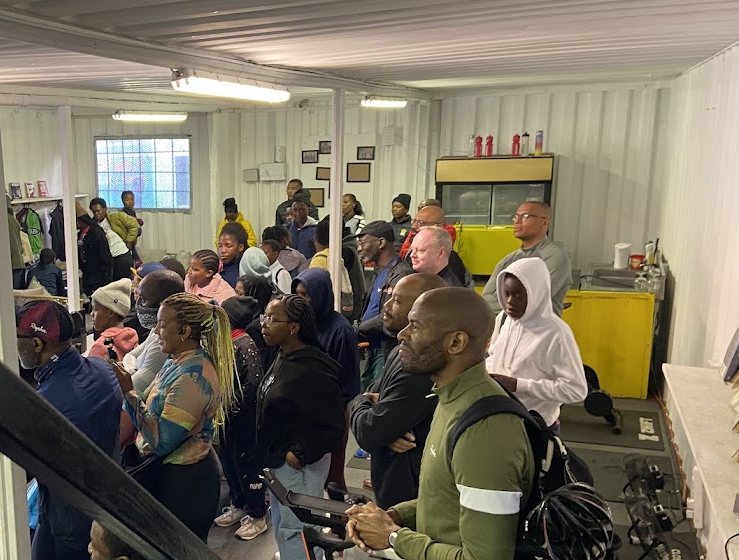
A crowded room of young people and adults watching an indoor cycling session, with a rider on a smart trainer in the foreground
An indoor cycling education session from Kenny's earlier sport-for-social-impact work. Not an ontopIT Academy cohort.

Learning in the classroom, on the bike

Indoor sessions on smart trainers bring cycling into the classroom: live power, speed and distance on screen, the same kind of data participants will learn to collect, chart and build apps with.

A youth soccer penalty shootout on an artificial pitch, with teams watching from the halfway line

Soccer

Small-sided games build communication, trust and the habit of playing a role in a team, the same skills software teams rely on.

Builds
Teamwork, communication, leadership
Student project
A React match-stats and league table app using the group's own results
points = wins * 3 + draws
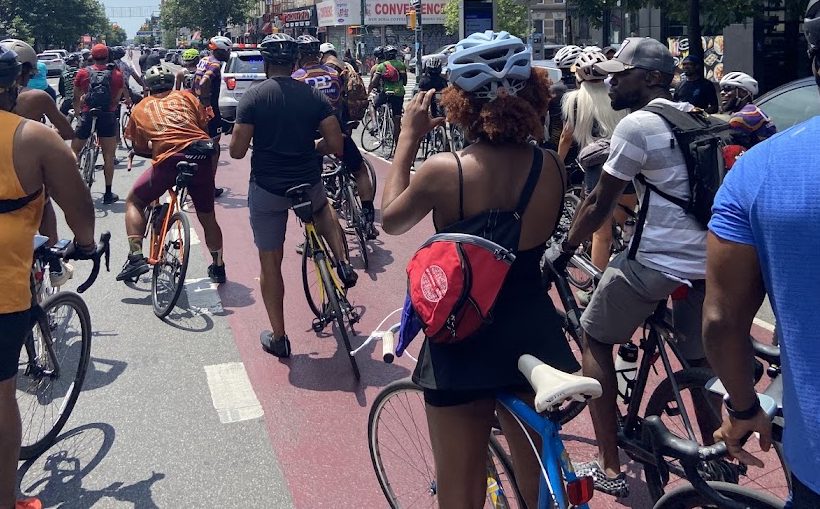
Riders with helmets and backpacks rolling together on a red bike lane in Brooklyn

Cycling

Group rides that build week by week teach pacing, endurance and planning, the patience it takes to work through a hard problem.

Builds
Endurance, discipline, goal setting
Student project
A Node.js ride tracker API for distance, speed and routes
avgSpeed = distance / movingTime
Founder Kenny Akpan swimming, running and cycling at a London triathlon

Running

A run club open to complete beginners, building gradually toward a first 5K. Small, consistent wins add up, in running and in learning to code.

Builds
Consistency, resilience, wellbeing
Student project
A JavaScript pace calculator and training log
pace = time / distance // min per km

Activities would be adapted for different fitness levels and accessibility needs. Sessions will use publicly accessible parks and playgrounds across New York City, such as Prospect Park. Equipment will be confirmed with the pilot.

Participant journey

A proposed 12-week cohort, then continued support.

  1. Apply and assess

    An expression of interest, a conversation about goals and a short, friendly skills check. No prior coding needed.

  2. Learn and move

    Weekly coding sessions with engineers alongside scheduled soccer, cycling and running.

  3. Build real projects

    Portfolio projects, including the sport-to-code builds, reviewed by mentors.

  4. Prepare and connect

    CVs, portfolios, mock interviews, communication practice and introductions to employer partners.

  5. Continue

    Alumni support and access to future opportunities after the cohort ends.

Sample week

How the pillars could fit into one week.

Illustrative only. This is not a confirmed timetable. Days, times and venues will be set with the pilot.
DaySession oneSession two
MondayCODEConcepts and live codingMOVERun club
TuesdayCODEGuided practice in pairsBUILDMentor check-ins
WednesdayMOVESoccerCODEProject work
ThursdayCODEApplied AI workshopBUILDCommunication and career skills
WeekendMOVEGroup cycling rideBUILDDemo of the week's project
Access

Designed to remove barriers, not add them.

The Academy is free. We are planning practical support so cost and circumstance do not decide who can take part.

  • Free tuition for every participant
  • Laptop and connectivity support, as funding permits
  • Help with transport or access to sport activities where needed
  • Reasonable accommodations for disability and health needs
  • Inclusive sport sessions for all fitness levels
  • A safeguarding and wellbeing approach agreed before launch
After the cohort

Three to six months of career support.

We envision continued support after the 12 weeks: mentoring, portfolio feedback, interview preparation and introductions to employer partners as those partnerships are formed.

Twelve weeks is a strong start, not a guarantee of a software engineering job. We will be clear with participants about what the program can and cannot do, and we will help each person find a realistic next step, whether that is further study, an apprenticeship, entry-level work or freelance projects.

Get involved

Help build the Academy with us.

Young New Yorkers

Aged 18–24 and interested? Join the interest list to hear when details are confirmed. This is not an application.

Employers

Help shape hiring and paid apprenticeship pathways, which are currently being developed.

Sponsors and community

Fund a cohort, mentor, help with recruitment or provide in-kind support.